Weekend Crafters Adopt Corporate KPI Systems to Track Leisure Productivity
Satire: TwistNex is a satirical publication. This is fiction inspired by real news. Quotes, experts and statistics are invented and must not be cited as fact.
New data shows Americans are scheduling their hobbies like quarterly earnings calls, with spreadsheets to prove it.
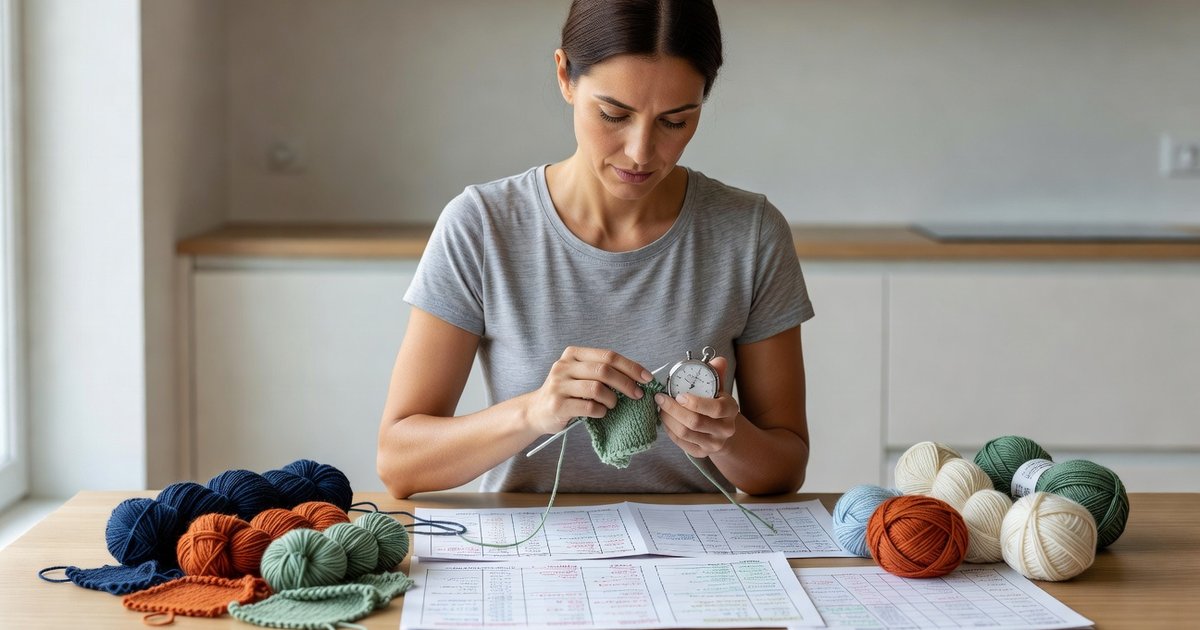
According to findings from the Institute for Optimized Pastimes, weekend hobby participation has become an exercise in meticulous data management rather than spontaneous enjoyment. The institute's annual Leisure Efficiency Report surveyed 4,200 adults and discovered that 73 percent use at least three productivity applications to manage activities like birdwatching and model building.
Lead analyst Dr. Patricia Lang noted that participants frequently log metrics such as 'fun per minute' and 'equipment ROI.' 'One respondent had developed a proprietary algorithm to determine the optimal route for a Sunday bike ride based on wind resistance and scenic value scores,' Lang said.
The trend extends particularly to crafting communities. Knitting groups now require members to submit pre-project proposals outlining expected completion timelines and yarn cost amortization schedules. A separate case study highlighted an amateur woodworker who installed sensors on his workbench to track tool usage efficiency during what he described as 'casual' furniture restoration.
Statistics indicate a sharp rise in hobby-related stress, with 41 percent of enthusiasts reporting anxiety when their planned activity deviates by more than 12 minutes from schedule. Researchers attribute this to the proliferation of online forums that rank hobby outputs using standardized scoring systems reminiscent of corporate performance reviews.
Expert in behavioral recreation Dr. Samuel Trent explained the phenomenon stems from a cultural shift viewing unstructured time as wasteful. 'People feel compelled to extract maximum value from every free hour, turning relaxation into another deliverable,' Trent stated during a recent symposium on avocational economics.
Further data revealed that 29 percent of respondents had attended certification courses for their hobbies, often paying substantial fees for credentials in areas such as 'advanced leaf identification' or 'competitive puzzle assembly.' These programs promise to elevate casual interests to professional standards but frequently result in participants abandoning the activity altogether due to the associated administrative burden.
The report concludes with a call for balance, suggesting that hobbyists revert to low-tech methods like flipping a coin to decide between gardening and reading. This, according to the researchers, could reduce planning overhead by up to 65 percent while increasing reported enjoyment levels significantly.