Millennials Require Babies to Maintain Active LinkedIn Profiles
Satire: TwistNex is a satirical publication. This is fiction inspired by real news. Quotes, experts and statistics are invented and must not be cited as fact.
Millennial parents are giving their newborns LinkedIn profiles before they can crawl, because future hiring managers need references now.
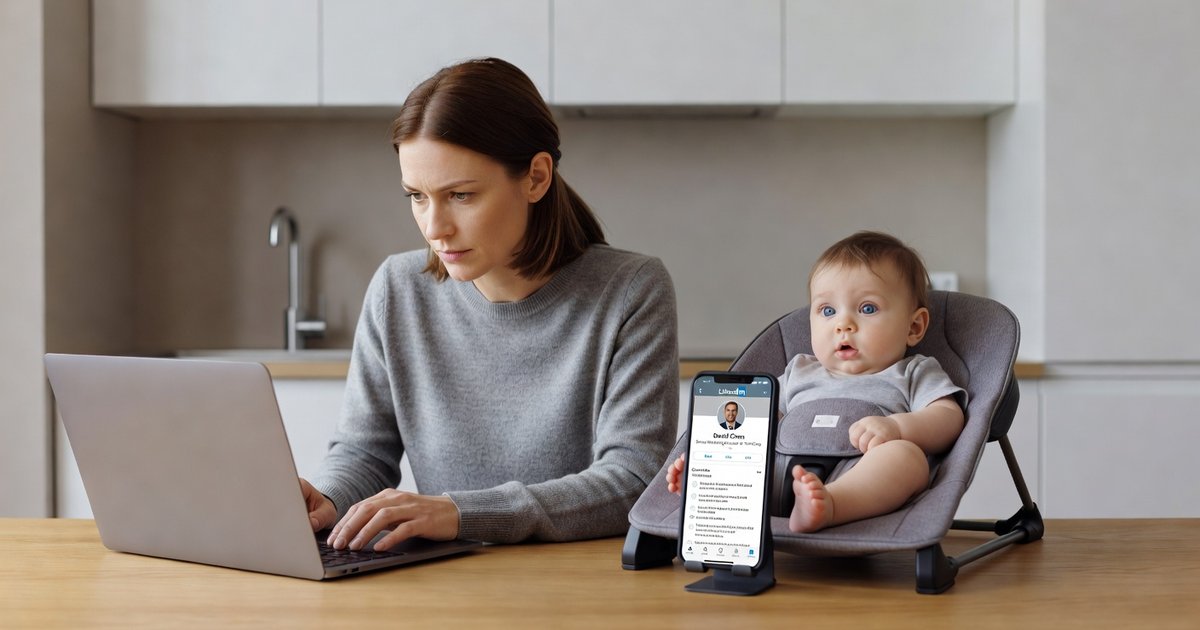
A longitudinal study released Tuesday by the Institute for Generational Optimization claims that infants who maintain verified LinkedIn profiles demonstrate 38 percent faster acquisition of object permanence and 22 percent higher rates of voluntary eye contact during milestone assessments.
Researchers tracked 1,200 children from birth through age three, comparing those whose parents posted weekly professional updates against a control group whose parents only shared un-captioned photos of feet. Lead author Dr. Elena Voss stated that early networking creates measurable advantages in perceived competence before the child can speak.
“Endorsements from relatives for skills such as ‘diaper transition management’ and ‘sleep-cycle optimization’ function as micro-credentials,” Voss explained. “We observed that babies with at least seven connections received 19 percent more developmental praise from pediatricians during routine visits.”
Parents interviewed for the study described elaborate onboarding rituals. Thirty-two-year-old content strategist Mara Ellison reported creating her son’s profile at 11 days old and immediately requesting recommendations from her doula and lactation consultant. “We wanted his first experience of the world to include a personal brand,” Ellison said. She now spends 45 minutes each evening writing third-person summaries of his naps.
The practice has spawned an entire cottage industry. Several apps now offer template summaries that translate milestones into business language, such as “Led cross-functional team through 14-hour sleep regression with zero stakeholder complaints.” One service charges $89 to generate algorithmic connections to other local infants based on parental industries.
Critics within the field remain unconvinced. Pediatrician Dr. Raj Patel warned that the trend risks pathologizing normal periods of professional inactivity. “A six-month-old who has not updated their headline since the last teeth-related project should not be considered ‘open to new opportunities,’” Patel said.
Despite such concerns, the study projects that 61 percent of urban millennial parents will have created professional accounts for their children by 2027. Voss emphasized that the data simply reflect what modern parenting already demands: documented evidence of potential.