New Research Reveals Houseplants Now Outrank Partners in Emotional Fulfillment
Satire: TwistNex is a satirical publication. This is fiction inspired by real news. Quotes, experts and statistics are invented and must not be cited as fact.
Your snake plant just became more emotionally supportive than your entire friend group, according to new data.
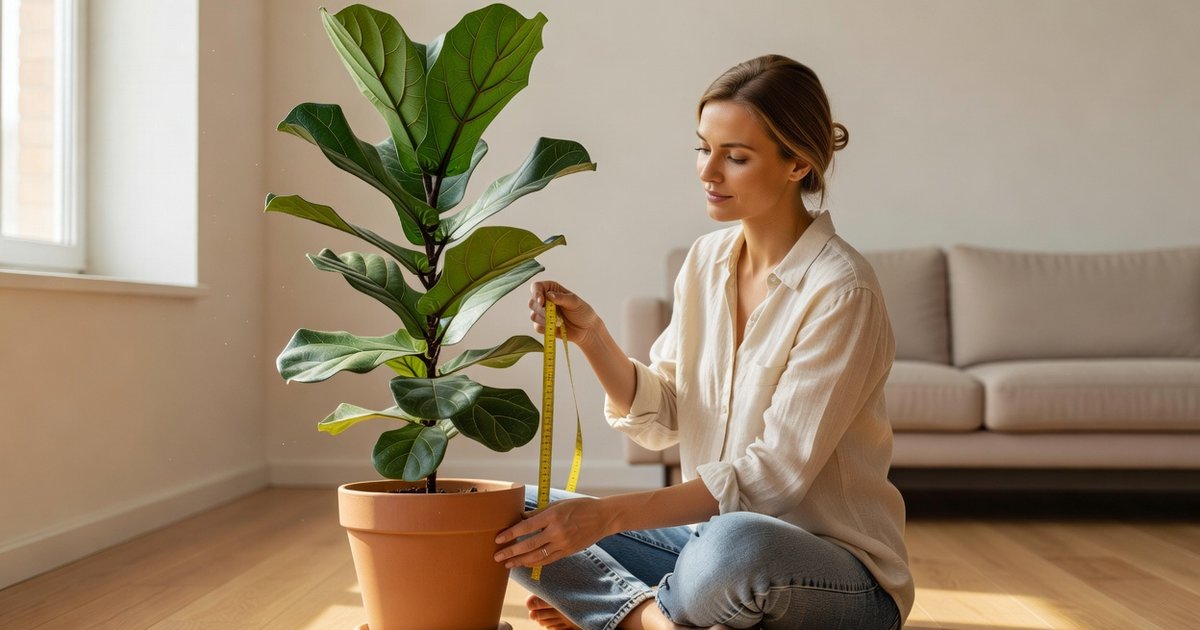
A comprehensive five-year study released by the Institute for Domestic Botany has concluded that individuals who own more than twelve houseplants report 47 percent higher daily contentment levels than those in committed human relationships. Researchers tracked 2,800 participants across twelve metropolitan areas and found that subjects spent an average of 4.7 hours per week engaged in "active plant dialogue," defined as verbal encouragement, leaf wiping, and rotation to optimize sunlight exposure.
Dr. Miriam Kell, lead author of the report, explained that foliage responds to consistent routines with measurable physiological improvements. "When a calathea receives its scheduled misting at 7:15 a.m., its leaf movement patterns indicate what we interpret as gratitude," she stated. Participants who skipped scheduled mistings recorded a 31 percent increase in personal guilt metrics, a figure significantly higher than guilt associated with missing family events.
The study also documented the emergence of specialized consumer products. Sales of the PlantMood Pro app, which translates soil moisture readings into emoji-based emotional states, have reached 1.2 million monthly active users. One user, 34-year-old accountant Derek Lang, described setting three separate phone alarms to rotate his collection of 19 succulents so none would experience "positional envy."
Additional data showed that 68 percent of heavy plant owners have declined social invitations to remain home and monitor new leaf unfurlings. Relationship counselors now list "plant acquisition velocity" as a leading predictor of romantic dissolution, with each new plant beyond the eighth correlating to a 9 percent rise in arguments over shared living space allocation.
Institute researchers cautioned that while plants provide reliable, nonjudgmental companionship, excessive attachment may lead to "foliage dependency syndrome." The condition is characterized by an inability to travel for more than 48 hours without hiring a certified plant sitter and an irrational fear that spider mites represent personal failure. Long-term studies are underway to determine whether humans can achieve the same sense of purpose from relationships that do not require weekly repotting.