Study Finds Passengers Relax Most When Randomly Selected For Mid-Flight Seatbelt Inspections
Satire: TwistNex is a satirical publication. This is fiction inspired by real news. Quotes, experts and statistics are invented and must not be cited as fact.
New research confirms that surprise seatbelt inspections are the true secret to in-flight serenity.
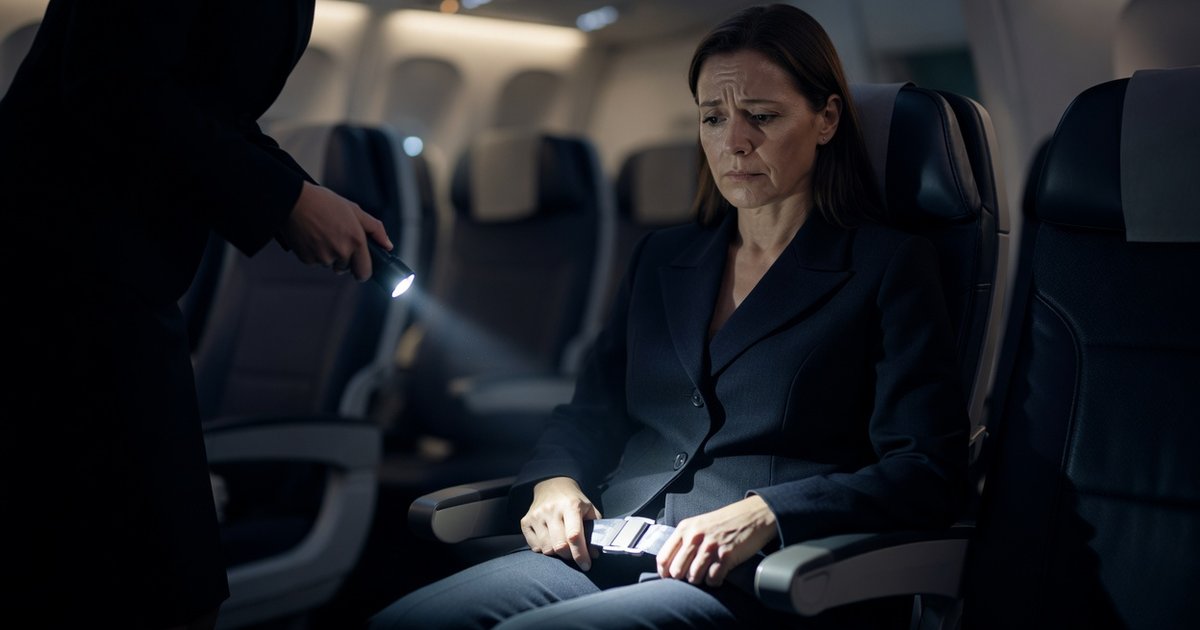
A five-year investigation conducted by the Institute for In-Flight Behavioral Science has concluded that airline passengers reach optimal calm when subjected to surprise seatbelt inspections performed by flight attendants wearing headlamps. Researchers tracked 4,812 travelers across 312 domestic routes and recorded that cortisol levels dropped 37 percent during these unannounced checks compared with standard beverage service.
Lead author Dr. Harlan Peck explained the mechanism in clinical terms. “The human nervous system interprets the sudden appearance of a flashlight beam on a lap buckle as a structured, repeatable event,” Peck said. “Once passengers accept that their restraint hardware may be examined at any moment, anticipation replaces free-floating dread.” The study further noted that passengers who experienced two inspections per flight reported 22 percent fewer complaints about legroom.
Participating carriers have already adjusted crew training manuals. Flight attendants now carry laminated checklists and are instructed to ask passengers to recite their own seatbelt serial numbers aloud. One anonymous attendant described the new protocol as “meditative for everyone involved.”
Additional findings revealed that travelers achieve even greater reported satisfaction when the inspections coincide with the distribution of miniature pretzel packets. The combination of tactile buckle verification and carbohydrate delivery was shown to reduce perceived flight duration by an average of 41 minutes. Participants described the effect as “time folding in on itself.”
The institute cautioned carriers against over-application. Data indicated that three or more inspections per flight reversed the benefits, producing what researchers termed “buckle fatigue.” Peck recommended a strict schedule of 1.7 inspections per 90-minute segment. Airlines are expected to implement the guideline next quarter through updated boarding announcements that include the phrase “random restraint verification may occur.”
Long-haul carriers have begun pilot programs that extend the same principle to tray-table latch audits. Early results suggest passengers who undergo both buckle and latch checks sleep 19 percent longer once the rituals conclude.