Americans Now Allocate More Emotional Labor to Houseplants Than to Human Relationships
Satire: TwistNex is a satirical publication. This is fiction inspired by real news. Quotes, experts and statistics are invented and must not be cited as fact.
New research shows your plants are thriving while your relationships quietly photosynthesize in the background.
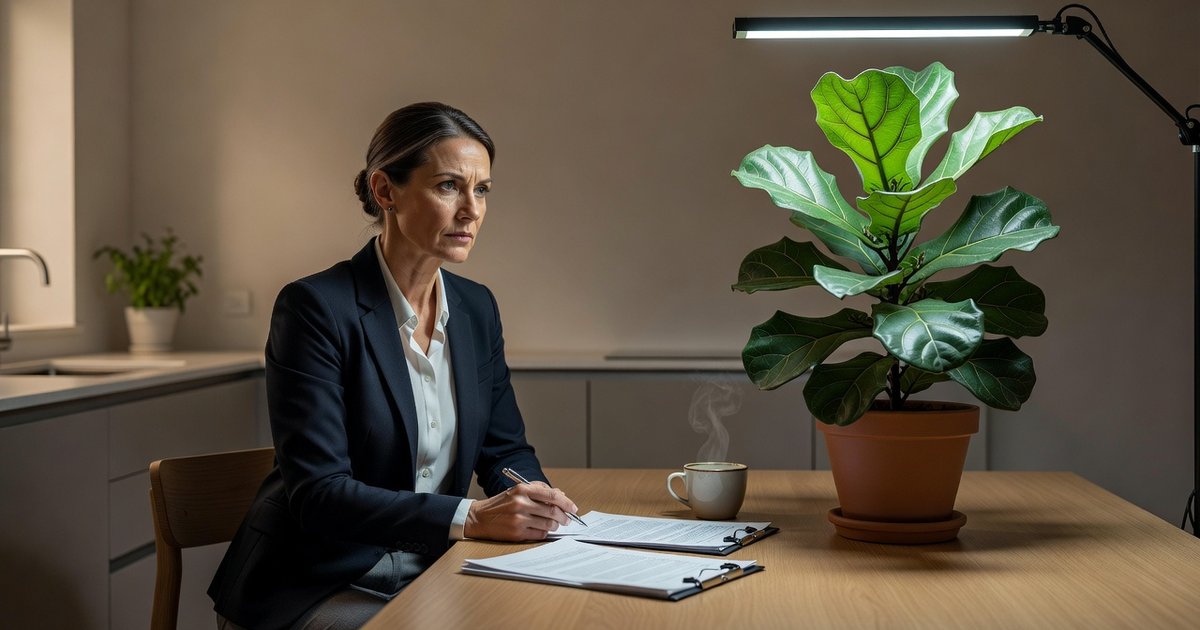
A comprehensive study released this week by the Institute of Indoor Botany reveals that the average urban resident now devotes 4.7 hours per week to plant-related emotional processing, eclipsing time spent on interpersonal conflicts with actual people.
Lead researcher Dr. Harlan Finch stated that participants frequently described their monstera deliciosa as "more supportive than my family" while rating their snake plant's silence as "refreshing boundary-setting."
The institute surveyed 2,400 adults across twelve metropolitan areas and found that 63 percent had purchased a dedicated humidifier for a single plant while continuing to use box fans for their own bedrooms. One respondent reported scheduling vacation days around a philodendron's repotting cycle to avoid "unnecessary stress transfer."
Dr. Finch noted an emerging condition called foliage projection syndrome, in which owners interpret a yellow leaf as evidence of personal failure rather than basic biology. Treatment protocols now include mandatory plant-free weekends and journaling prompts such as "Would I speak this harshly to a colleague?"
Further data showed that 41 percent of plant owners maintain separate social media accounts documenting their specimens' growth milestones, complete with monthly progress photos and milestone captions. Several participants admitted unfollowing friends whose plants appeared more vibrant.
In one documented case, a couple in Portland implemented a chore wheel that included "emotional check-ins" with each of their seventeen succulents. The arrangement reportedly dissolved after one partner was accused of showing favoritism toward the echeveria.
The institute recommends establishing clear plant-human communication boundaries, including a strict prohibition on discussing personal trauma with anything possessing fewer than two legs.