Scientists Bake Sourdough With Iceman Gut Yeast, Instantly Regret Reviving 5,000-Year-Old Mold
Satire: TwistNex is a satirical publication. This is fiction inspired by real news. Quotes, experts and statistics are invented and must not be cited as fact.
They woke 5,000-year-old yeast from Ötzi’s gut and baked bread with it—turns out the Iceman’s starter has trust issues and a copper-age agenda.
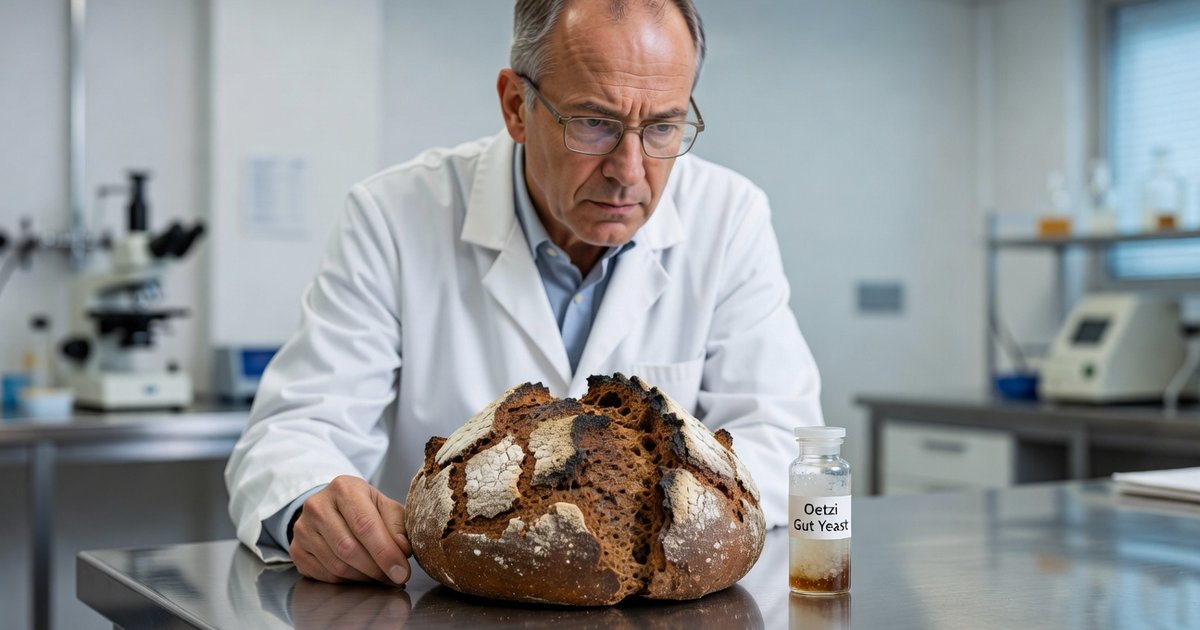
A team of European researchers announced this week that they had successfully cultured yeast pulled from the frozen intestines of Ötzi the Iceman and used it to produce a loaf of sourdough that tastes faintly of copper, regret, and the slow collapse of Bronze Age hygiene standards.
The yeast, which had apparently been fermenting in quiet, icy solitude since roughly 3300 BCE, was described by the scientists as “remarkably viable.” Early tasters described the resulting bread as “chewy in a way that feels personal” and “somehow already judging you.” One volunteer reported developing an irresistible urge to lie down in a glacier after only two slices.
Microbiologists involved in the project stressed that the ancient strain poses no modern health risk, aside from the minor side effects of sudden copper-age nostalgia, an urge to carry a copper axe, and the distinct possibility that your kitchen will begin to smell like a Neolithic crime scene. The paper, published in the journal Microbiome, notes that the yeast’s genome contains several genes whose function remains unclear, including one that appears to code for “passive-aggressive rising.”
Bakeries that have already begun experimenting with the strain report mixed results. A Berlin café sold out of “Ötzi Loaf” within hours, though several customers later complained of dreams in which they were chased by an angry, bread-shaped glacier. A Paris patisserie attempted to market it as “the original artisanal,” only to discover that the dough refused to be shaped into anything except small, accusatory lumps.
Researchers now caution against further attempts to revive prehistoric microbes, warning that next year’s project—extracting yeast from a medieval cesspit—could produce bread that actively resents being eaten. For now, the Iceman’s sourdough remains available in limited quantities, provided customers sign a waiver acknowledging that their dinner roll may be older than their entire civilization and significantly more passive-aggressive.