ISS Astronauts Ordered to Hold Their Breath While Russia Fixes Leak With Hope and Tape
Satire: TwistNex is a satirical publication. This is fiction inspired by real news. Quotes, experts and statistics are invented and must not be cited as fact.
NASA just told ISS astronauts to grab their go-bags because Russia's latest space repair involves tape and positive thinking.
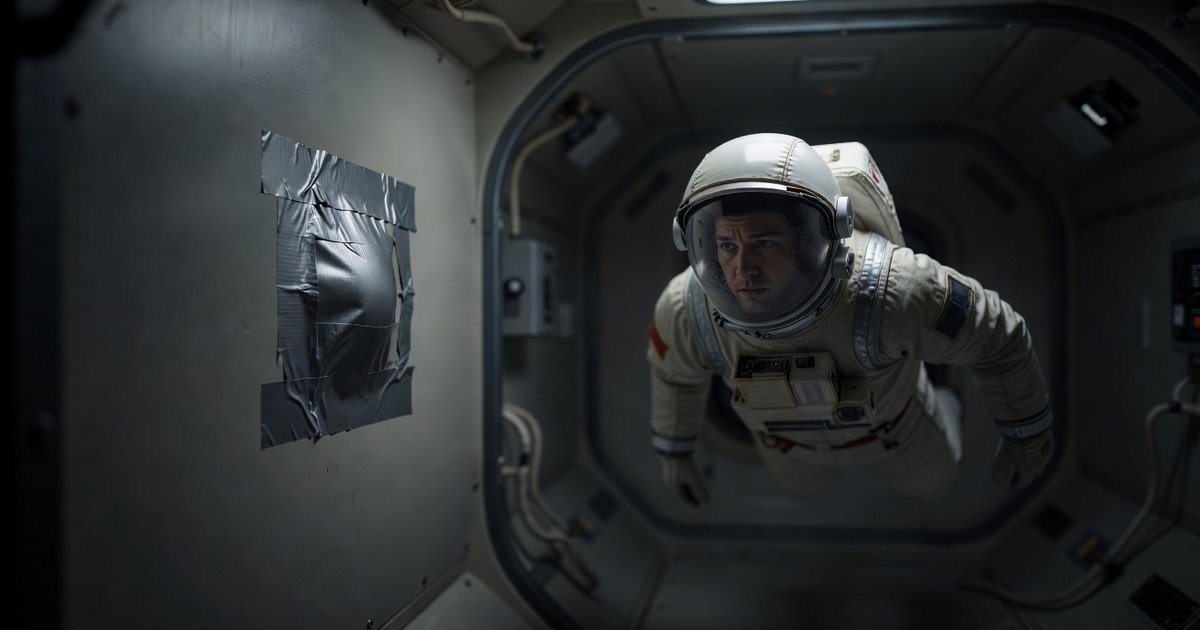
NASA has instructed International Space Station crew members to shelter in place and prepare for possible evacuation after a persistent air leak widened overnight, turning the orbiting laboratory into what one engineer described as "a very expensive balloon animal."
Russian officials assured partners the problem was "completely manageable" and dispatched specialists armed with sealant, optimism, and a roll of industrial tape originally purchased for a 2017 garage sale. Sources close to the repair team say the cosmonauts have been instructed to locate the breach by listening for the distinctive whistling sound of escaping oxygen, then applying pressure until the whistling stops or the entire station achieves neutral buoyancy in Earth's upper atmosphere.
Astronauts have been moved into the Russian segment, where they are reportedly passing time by playing increasingly desperate rounds of cards and drafting farewell tweets that begin with variations of "if you're reading this."
The leak, first detected years ago, has accelerated to the point where mission control can no longer distinguish between routine station venting and the sound of the vehicle slowly exhaling its will to live. NASA documents obtained by TwistNex describe contingency plans that include "rapid departure via Soyuz" and, in the worst case, "using the American segment as an enormous stress ball."
International partners have responded with characteristic unity. The European Space Agency offered thoughts and prayers, while China announced it would monitor the situation from its own station "at a safe distance." Meanwhile, private space companies have begun drafting press releases positioning their vehicles as the reliable backup option once the current one starts whistling show tunes.
Crew members were last seen practicing evacuation procedures that involve holding one's breath, crossing fingers, and hoping the next pressure alarm is merely a software glitch rather than the final wheeze of a 25-year-old station realizing it has had enough.