Apple Unveils AI Siri That Finally Does What Users Asked For In 2014
Satire: TwistNex is a satirical publication. This is fiction inspired by real news. Quotes, experts and statistics are invented and must not be cited as fact.
Apple spent its entire WWDC keynote proudly announcing it finally fixed the software everyone gave up on years ago.
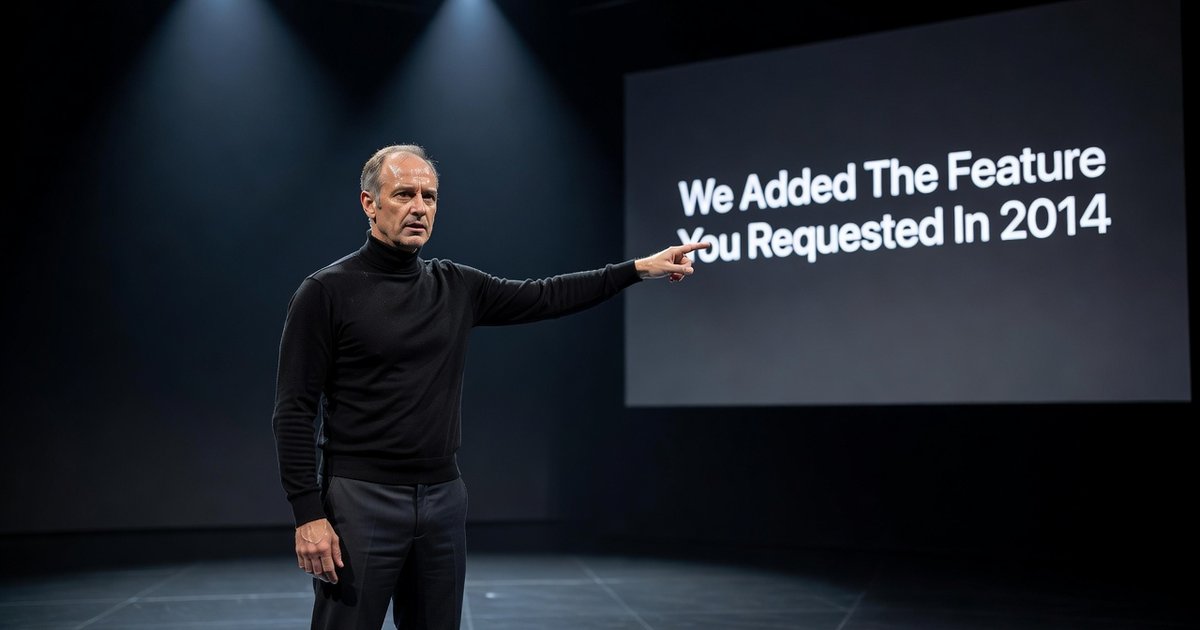
At its annual Worldwide Developers Conference, Apple proudly announced that its upcoming operating systems will now include performance improvements, long-requested features, and an upgraded version of Siri powered by artificial intelligence. Executives described the moment as revolutionary, noting that the company had spent the last several months realizing its software had been lagging behind user expectations since roughly the Obama administration.
The keynote opened with a lengthy segment celebrating basic stability fixes that longtime users had filed as bug reports during the first Trump presidency. One slide simply read “We remembered to close the apps you didn’t want running,” which the crowd greeted with polite applause and visible relief. Engineers then demonstrated how the new Siri can process natural-language requests without requiring three separate attempts and a ritual sacrifice of the user’s calendar.
Apple stressed that artificial intelligence should not be viewed as a standalone miracle but rather as one humble tool among many for catching up. “We didn’t want to overpromise,” said a senior vice president who appeared to be reading from a note written on his palm. “So we also added the ability to organize tabs in a way that doesn’t make you question your life choices.”
Industry analysts praised the company’s refreshing honesty while privately wondering why basic functionality now requires a multi-year AI initiative. Early beta testers reported that the improved Siri occasionally offers helpful suggestions such as “Have you tried turning it off and on again?”—a feature previously available only through customer support.
By the end of the presentation, Apple had successfully reframed years of deferred maintenance as thoughtful product strategy, leaving attendees both impressed and slightly concerned about what else the company had forgotten to mention.