Shrinkflation Shrinks Gadgets to Ant-Sized Nightmares, Users Demand Return of Brick Phones
Satire: TwistNex is a satirical publication. This is fiction inspired by real news. Quotes, experts and statistics are invented and must not be cited as fact.
Tech's latest scam: Gadgets so tiny, you'll need a microscope to hate them. Shrinkflation strikes again! #TinyTechTerror
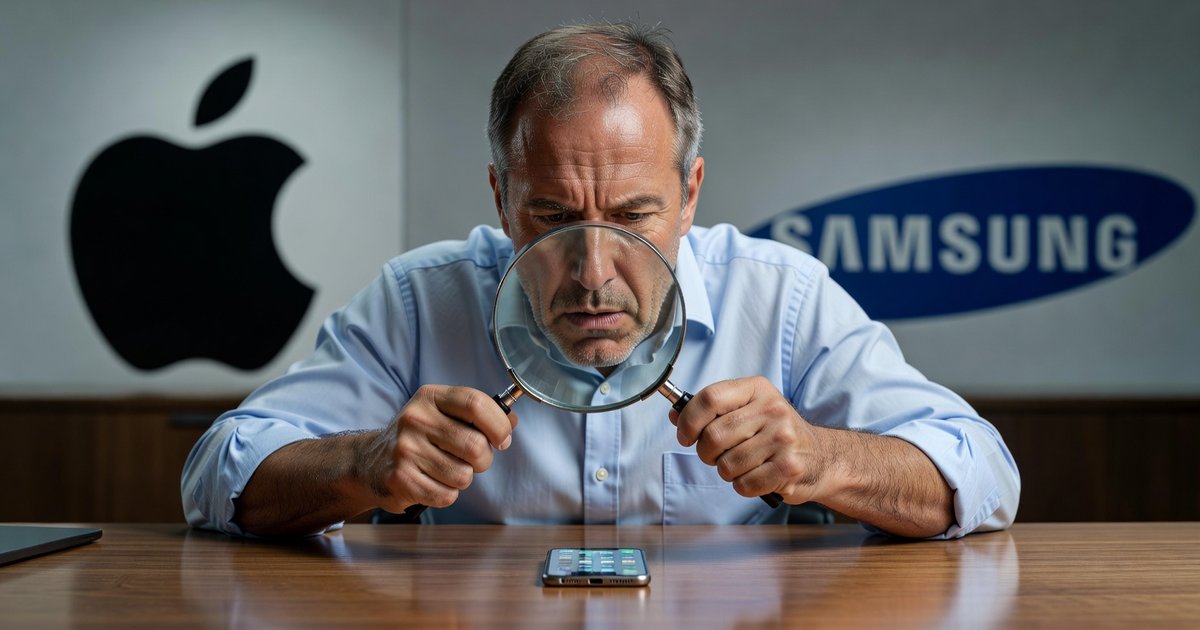
In a brazen escalation of corporate greed, tech behemoths have unleashed the scourge of shrinkflation on our beloved gadgets, turning once-mighty devices into pathetic specks that barely qualify as functional. Remember when your smartphone was a powerhouse that could summon cat videos at a moment's notice? Now, it's a microscopic wafer thinner than a politician's promise, with battery life that evaporates faster than a viral TikTok trend.
Apple led the charge, announcing their latest iPhone model, the iPhone Micro, which measures just 2 inches tall and comes with a complimentary electron microscope for screen viewing. 'We're innovating by making less more,' boasted CEO Tim Cook during a press conference held in a dollhouse. 'Why settle for a full-sized phone when you can lose it in your pocket lint?' Users, squinting through reading glasses just to unlock the device, have reported innovative new uses, like employing the phone as an accidental acupuncture tool during frantic searches.
Not to be outdone, Samsung rolled out the Galaxy Nano, a washer-dryer combo so compact it fits inside your nostril. 'Portability is key in today's fast-paced world,' said a Samsung spokesperson, dodging questions about why the screen now doubles as a contact lens. Meanwhile, laptop manufacturers have whittled keyboards down to single-letter affairs, forcing typists to Morse-code their emails with frantic button mashing. 'It's like playing tech Twister,' lamented one office drone, whose Dell Ultrathin now resides comfortably in his coffee mug.
Experts are baffled—or perhaps just amused—by this trend. Dr. Eliza Byte, a fictional futurist from the Institute of Shrinking Studies, explained, 'Shrinkflation isn't just cost-cutting; it's a philosophical statement. Gadgets are getting smaller to match the shrinking attention spans of consumers obsessed with doom-scrolling.' Indeed, sales are skyrocketing as bargain-hunters snap up these pint-sized perils, only to discover that 'value' now means paying premium prices for perpetual frustration.
As the absurdity mounts, whispers of a backlash grow. Retro enthusiasts are hoarding ancient Nokias, those indestructible bricks that could survive a nuclear winter. Will we see a return to flip phones the size of briefcases? Or will tech giants push further, shrinking smartwatches to quantum particles invisible to the naked eye? One thing's certain: in the world of shrinkflation, bigger isn't better—it's just bigger.